
Phone Camera Lens Repair: Causes and Solutions
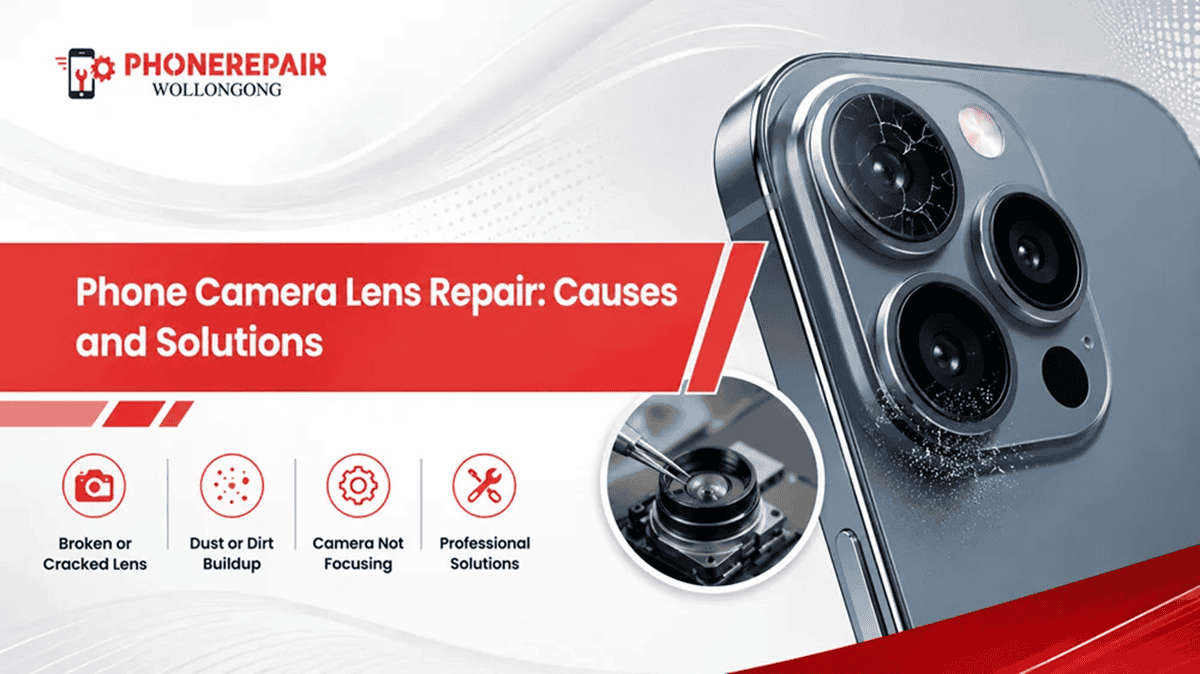
The phone camera is not a mere convenient extra anymore. Going from work to family memories, social networks and even online selling, video calls, documents and even banking verification nowadays people use it for everything. A cracked, foggy, scratched or dusty lens can thus very quickly become more than a little irritation. An out-of-focus photo might seem innocuous but more times than not indicates that a bigger problem is at hand that requires proper remediation.
The phone camera is something that many Australians use every day, taking photos at the beach or capturing receipts to claim on tax returns in addition to things like signing school events and recording products for a side business. This is the reason mobile phone camera lens repair has gained one of the highest mobile services in ask. The good news, those camera lens woes could be fixed without the need to purchase a new device. However, time is crucial because a cracked or broken lens could allow dust, moisture and even tiny glass pieces enter the camera housing.
In this guide, we outline the camera lens damage types and what to do if you spot some signs, plus how to get your gear best sorted fast.
What Is Phone Camera Lens Repair?
Phone lens repair normally refers to the repairing or replacing of outer glass cover used on a phone camera module. The lens cover is located above the camera sensor and prevents the image from being obscured. As it breaks, gets scratched or becomes cloudy, your photos can become less crisp and lose colour and detail.
In some instances, the outer glass is the only component that needs replacement. However, if any real camera module has been affected, this can involve more serious repair work. Thus, a technician must check the device before confirming the exact repair it requires. Get details on Samsung Tablet Repair Wollongong
Common Causes of Phone Camera Lens Damage
Phone camera lenses look small, but they face a lot of daily pressure. Although many modern phones use stronger glass, they are still not damage-proof.
| Cause | What Usually Happens | Possible Result |
| Accidental drop | Phone lands on camera bump | Cracked or shattered lens glass |
| Keys or coins in pocket | Lens rubs against hard objects | Fine scratches and blurry photos |
| Dust and sand | Small particles sit around lens edge | Hazy images or internal dirt |
| Moisture exposure | Water enters through lens crack | Foggy lens or camera failure |
| Poor-quality case | Camera area stays exposed | Higher chance of impact damage |
| DIY cleaning with rough cloth | Lens surface gets rubbed badly | Permanent marks or smudges |
1. Accidental Drops
The camera bump often takes the hit when a phone falls. Moreover, many phones have raised camera lenses, which makes them more exposed. Even a small fall from a desk, car seat, or kitchen bench can crack the glass.
2. Scratches from Daily Use
Keeping your phone with keys, coins, tools, or metal accessories can scratch the lens. At first, the scratch may look tiny. However, when light hits it, photos may show glare, blur, or strange lines.
3. Dust, Sand, and Outdoor Use
In Australia, outdoor use is common. Beaches, worksites, sports grounds, and dusty roads can all expose phones to sand and dirt. As a result, particles may collect around the lens. If the lens already has a small crack, dust can move inside and affect the camera.
4. Water or Moisture Damage
A cracked lens can break the phone’s protection. Consequently, moisture may enter the camera area. This can create fog inside the lens, dark spots in photos, or even complete camera failure.
5. Poor Protection
Many phone covers protect the corners and back, but not the camera lens. Therefore, a case with a raised camera lip or lens guard can make a big difference. Looking for a iPhone Repairs Figtree
Signs Your Phone Camera Lens Needs Repair
You may not notice lens damage straight away. However, your camera performance will usually give you hints.
Common signs include:
- Blurry photos, even after cleaning the lens
- Cracked camera glass around the rear camera
- White haze or fog in pictures
- Black spots or dots in photos
- Glare or light streaks at night
- Camera not focusing properly
- Rattling glass pieces near the camera area
- Dust visible inside the camera lens
If you notice any of these signs, do not press on the camera area Also, it’s advised to stop taking photos in dusty or wet conditions as the problem could worsen.
Can a Scratched Phone Camera Lens Be Fixed?
Yes, it varies with how deep the scratch is. Light-spot surface marks may be removed or buffed out. But lens glass replacement is required for deeper scratches. And for most cases, changing mobile camera lenses through experts is much cleaner and safer.
Others attempt tricks such as toothpaste, baking soda or make-our-own polish. Instead, these methods may scratch the lens coating and make the camera worse. Hence, it is advisable to stay away from home remedies. Get details on Android Repairs Shellharbour
Camera Lens Damage vs Camera Module Damage
Many customers think every camera problem means the whole camera needs replacing. However, that is not always true.
| Problem | Likely Area Affected | Repair Needed |
| Cracked outer glass only | Camera lens cover | Lens glass replacement |
| Blurry photos after lens cleaning | Lens cover or internal dust | Inspection and cleaning/replacement |
| Camera app opens but image shakes | Camera module | Camera module repair/replacement |
| Black screen in camera app | Software or camera module | Diagnosis needed |
| Fog inside camera | Moisture near lens/module | Urgent inspection |
| Focus not working | Lens or camera sensor | Professional repair |
Therefore, proper diagnosis saves money. If the camera module still works well, you may only need phone camera glass replacement, not a full camera replacement.
Professional Phone Camera Lens Repair Process
A good repair process should be careful, clean, and device-safe. Generally, technicians follow these steps:
1. Initial Camera Check
First, the technician tests the front and rear cameras. They check focus, zoom, flash, night mode, and image clarity. Moreover, they inspect the lens glass for cracks, scratches, and dust.
2. Safe Lens Glass Removal
Next, the broken lens cover is removed carefully. This step needs the right tools because tiny glass pieces can fall into the camera module if handled roughly.
3. Dust and Adhesive Cleaning
After removing the damaged glass, the technician cleans the camera area. This matters because leftover adhesive or dust can affect the new lens.
4. New Camera Lens Installation
A suitable replacement lens glass is fitted. Additionally, strong adhesive is used to seal the area properly.
5. Final Camera Testing
Finally, the technician tests photo and video quality. They also check autofocus, flash reflection, and image sharpness before handing the phone back.
Related Service:
» iPhone Repairs Greater Wollongong
Why You Should Avoid DIY Camera Lens Repair
DIY repair may look simple in online videos. However, phone camera parts are delicate. One wrong move can damage the sensor, flash, back glass, or wireless charging area.
Here are the main risks:
| DIY Risk | Why It Matters |
| Glass pieces entering camera | Causes permanent spots or focus issues |
| Wrong adhesive | May leave gaps for dust and moisture |
| Scratching camera sensor | Can ruin photo quality |
| Heating phone too much | May damage battery or back cover |
| Using low-quality lens glass | Photos may look dull or distorted |
So, while DIY may seem cheaper, professional repair often saves more money in the long run. Looking for a Android Repairs Greater Wollongong
How Much Does Phone Camera Lens Repair Cost?
The cost of phone camera lens repair in Australia depends on the model, damage level, parts quality, and whether the camera module also needs work.
| Repair Type | Estimated Cost Range in Australia |
| Basic rear camera lens glass replacement | $49 – $120 |
| Premium model lens glass replacement | $90 – $180 |
| Camera lens cleaning and resealing | $40 – $100 |
| Rear camera module replacement | $120 – $350+ |
| Water-damage camera inspection | $49 – $150 |
These numbers are based on very rough estimates. Available components and the difficulty of engineering new designs may also jack up prices for other potential phones, starting with newer iPhone and Samsung Galaxy or Google Pixel devices, as well as foldable models.
How to Protect Your Phone Camera Lens
Prevention is much better than repair. But small habits can save your phone camera in the long run.
If you are using a case, choose a case with an elevated edge around the camera. Do not also put your telephone lens-down on harsh surfaces. Also simply clean the lens with a microfibre cloth that you can use instead of tissue or clothing.A camera lens protector is worth your consideration if you are one of the photographers who usually takes photos outside. Just make sure it is a decent one, cheaper ones will turn the photograph into mist.
So as much as you can, keep your phone away from sand and moisture. It is better to get it checked soon, rather than waiting until the dust or water gets inside in case of damage to your lens.
Related Articles:
» iPhone 14 Camera Lens Cracked: Quick Repair Options
» Camera Not Focusing or Blurry Photos? Lens, Sensor, or Software?
» Tempered Glass: The Ultimate Solution for Display & Camera Lens Protection
» Rear Camera Glass Cracked: Repair Costs and Turnaround
» Is Your Phone Camera Shaking? OIS Failures and Repair Options
When Should You Book a Phone Camera Lens Repair?
When you see visible cracks, deep scratches, fogging point or poor picture quality try to book a repair quickly. A minor crack can easily develop into a major headache, particularly when your telephone lives in your bag or pocket. Moisture from outside seeps through the broken lens into the internal camera.
If your phone can still shoot photos, it’s a nice sign. But it does not mean the problem is too easy to overlook. Fast repair can protect the camera module and lower the overall cost of repairs. Get details on iPhone Repairs Wollongong
Final Thoughts
The broken lens of a phone camera could ruin your photographs but it can also provoke larger problems internally. So, it is better to act early. Whether it is cracked, scratched, foggy or dusty glass of your camera, a good technician will check the gadget and provide the best solution.
Through professional phone camera lens maintenance, clear pictures could be retrieved, the camera module secured and money spared from a complete telephone replacement. Check the camera before upgrading your phone. Often all that is needed to revive the used camera is replacing a lens.
FAQs: Phone Camera Lens Repair: Causes and Solutions
Yes. Often it’s just a piece of outer camera lens glass that needs to be replaced. If the quality of the images continues to be unsatisfactory, though, something further still may be required — such as a new camera module.
Yes. It can result in blurred images, glare, light streaks, black spots and poor focus. It also might permit dust or moisture to come through.
Usually, yes. Reinstalling the lens glass on the module is usually cheaper than replace entire camera module.
You can, though it is a bit risky. Dust and water may enter where you took out the camera, tiny glass pieces will very likely also have gone in here and cause more damage.
Most camera lens repairs can be done on same day. However, the timing will depend on which phone and part you need.
Light scratches can be improved with fuss-free cleaning, but deeper ones often require changing the lens glass.
The problem could be scratches, internal dust, moisture or damage to the camera module. Hence, it requires to be checked by a technician.
Yes. When the lens breaks, it can break the seal of the phone and cause moisture to reach a camera module.
If it is not a repairer that has been provided/approved by the manufacturer, it could void any est of the manufacturer warranty. Before you have it repaired, check your warranty.
Good-quality protectors usually work well. And bug cheap and bad fitting protectors can result in glare, blur or reflection.
Most popular models can. This includes plenty of iPhones, Samsung, Google Pixels, Oppo, Motorola and Xiaomi phones. However, part availability can vary.
You may need camera module replacement if autofocus fails, the camera shakes, the app shows a black screen, or image quality stays poor after lens replacement.